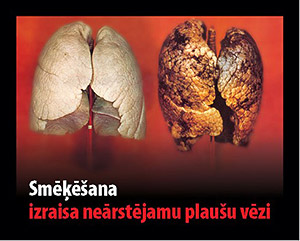
In November 1985, the US publication, Flue Cured Tobacco Farmer, reported that graphic label warnings spur tobacco sales drop in Iceland. 87 Between 1984 and 1985, sales of tobacco products in Iceland declined by 3.5%, 87 and smoking prevalence among Icelandic men dropped from 42.9% to 37.2%, and from 37.0% to 35.2% among women

Quit campaigns established in each state from 1983 used mass media to educate the community about the dangers of smoking.8 Government funding was secured to place advertisements during prime-time television rather than merely in late night community service spots.9 Professional public relations activities encouraged media coverage and used celebrities and high-rating television and radio programmes to popularise the Quit message.9 Public support for the Quit initiative helped to encourage governments to seriously consider, and then start to enact, recommendations from international health agencies to ban all forms of promotion of tobacco products,10 and to raise taxes on tobacco products with the dual objectives of making smoking less affordable, generating additional funds for expanded public education campaigns and replacing tobacco sponsorship of sport.11 During the late 1980s and early 1990s, concerns about the health effects of exposure to other people's smoking12 saw the progressive restriction of smoking in more and more workplaces,13 ,14 which then generalised elsewhere.15 ,16 The resultant ever-expanding restrictions on smoking in hospitality venues and public places17 combined with the ever-growing evidence about the health effects and social costs of smoking, all contributed to growing antismoking sentiment

Article: How Long Do Geek Bars Last
This involves understanding the unique challenges and triggers faced by each person and tailoring the detox methods accordingly