b , Representative fluorescent photographs of immunofluorescence staining for fibronectin (FN) in TGF-1-stimulated LX-2 cells treated with DMSO (CTR), compounds (10 M) or PFD (500 M) for 48 h (left)
[DOI] [PMC free article] [PubMed] [Google Scholar] Chen, Z

Figure A: Design and subgrouping of the study cohort Figure B: Brief overview of key findings Disclosures: Simon Schophaus: Nothing to Disclose, Paul-Henry Koop: Nothing to Disclose, Jan Clusmann: Nothing to Disclose, Kai Markus Schneider: Nothing to Disclose, Carolin Victoria Schneider: Nothing to Disclose 1158 MASLD AND METALD: THE AMOUNT OF LIVER FAT AND NUMBER OF CARDIOMETABOLIC RISK FACTORS IN RELATION TO THE RISK OF TYPE 2 DIABETES AND CARDIOVASCULAR DISEASE Gabrielle Alblas 1 Jeroen van der Velde 1 Maarten Tushuizen 1 Wouter Jukema 1 Hildo Lamb 1 Frits Rosendaal 1 Bart van Hoek 1 Rene de Mutsert 1 Minneke Coenraad 1 , 1 Leiden University Medical Center Background: Metabolic dysfunction associated steatotic liver disease (MASLD) and metabolic alcohol-associated liver disease (MetALD), defined as the presence of liver fat in combination with at least one of five cardiometabolic risk factors and alcohol consumption of maximum 50 gram/day for women and 60 gram/day for men, is associated with an increased risk of type 2 diabetes and cardiovascular diseases

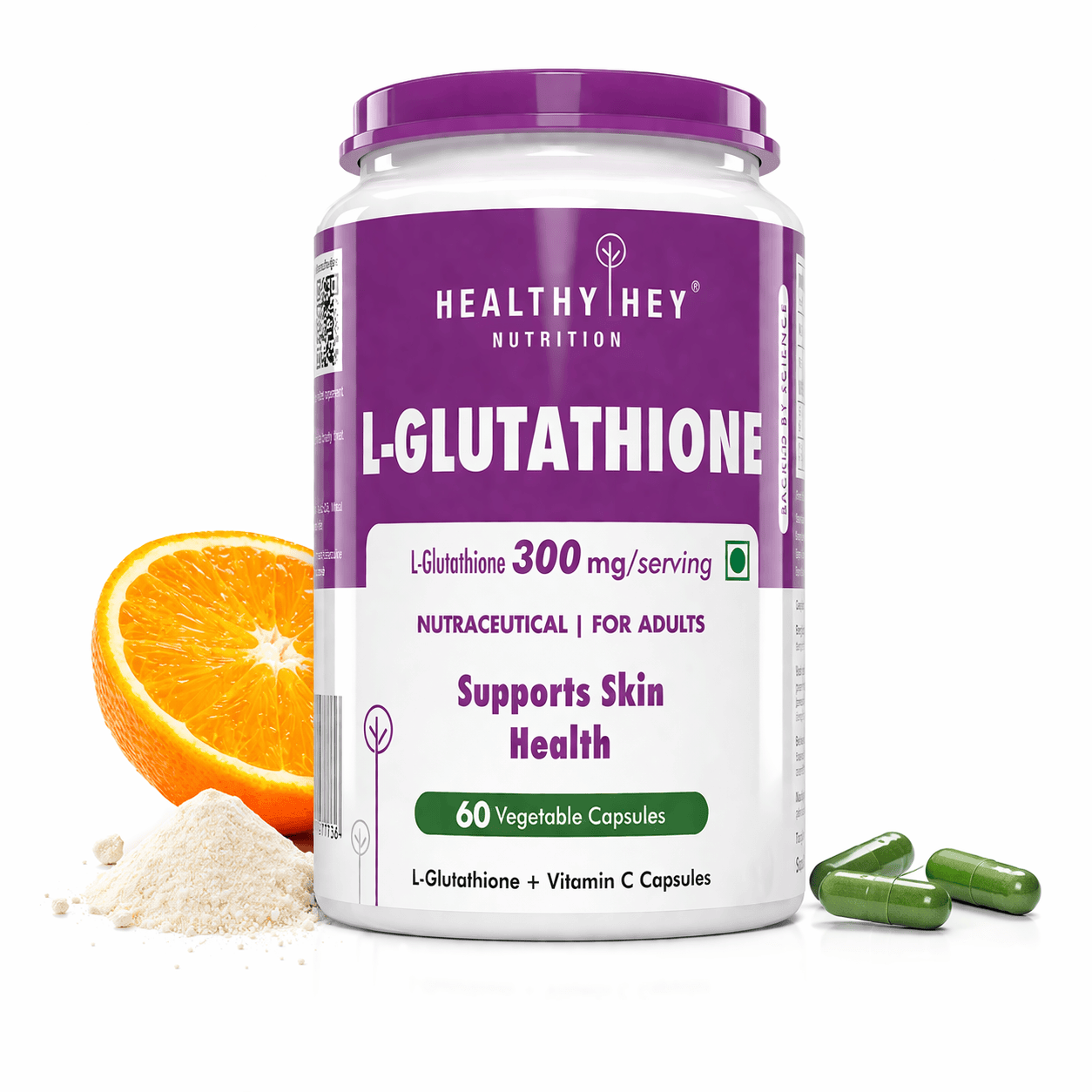
Levels of glutathione may decline over time and can be influenced by factors such as age, lifestyle, diet, and environmental exposure , leading to increased interest in supplemental forms