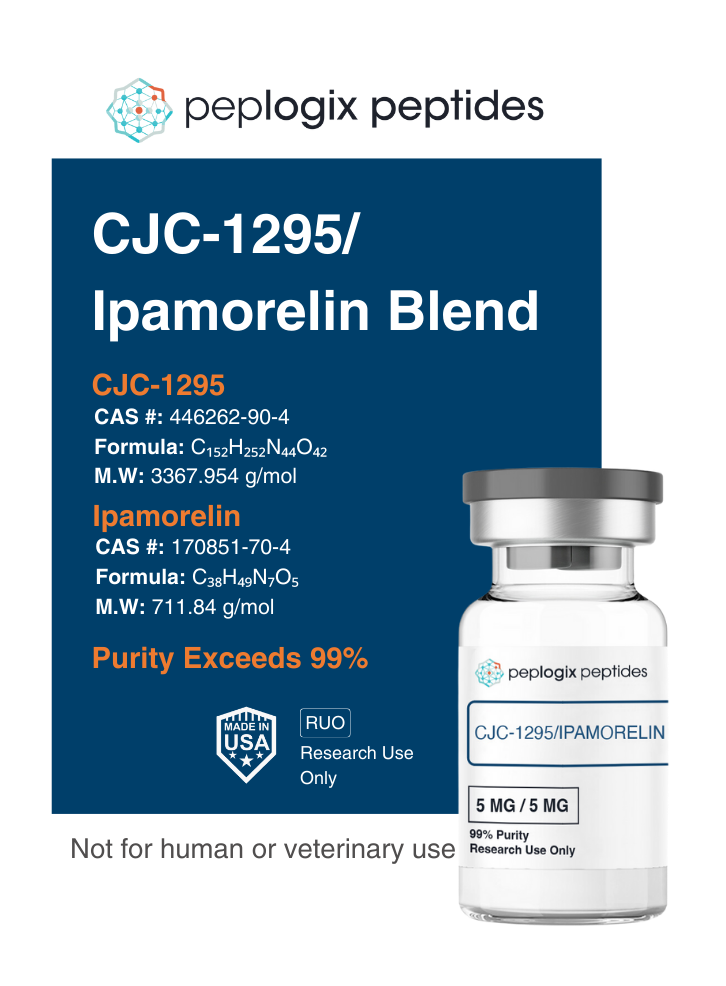
But in practice, and especially with regard to synthetic and recombinant peptide forms, there are some considerable potential safety concerns: Immunogenicity Most notably, per a 2020 assessment on therapeutic peptide safety, synthetic and recombinant peptides pose the risk of immunogenicity the ability of a substance to provoke an immune response.15 An immunogenicity-inducing peptide, when introduced to the body, would cause the bodys immune system to perceive the peptide not as a medication but as a threat
Suboptimal dietary zinc intake promotes vascular inflammation and atherogenesis in a mouse model of atherosclerosis
If untreated, B12 deficiency can lead to serious neurological and cardiovascular complications
Manag Care 22:7172 Niessl C, Boulesteix AL, Oh J, Palm K, Schlingmann P, Wygoda S, Haffner D, Wuhl E, Tonshoff B, Buescher A, Billing H, Hoppe B, Zirngibl M, Kettwig M, Moeller K, Acham-Roschitz B, Arbeiter K, Bald M, Benz M, Galiano M, John-Kroegel U, Klaus G, Marx-Berger D, Moser K, Mueller D, Patzer L, Pohl M, Seitz B, Treikauskas U, von Vigier RO, Gahl WA, Hohenfellner K (2022) Relationship between age at initiation of cysteamine treatment, adherence with therapy, and glomerular kidney function in infantile nephropathic cystinosis