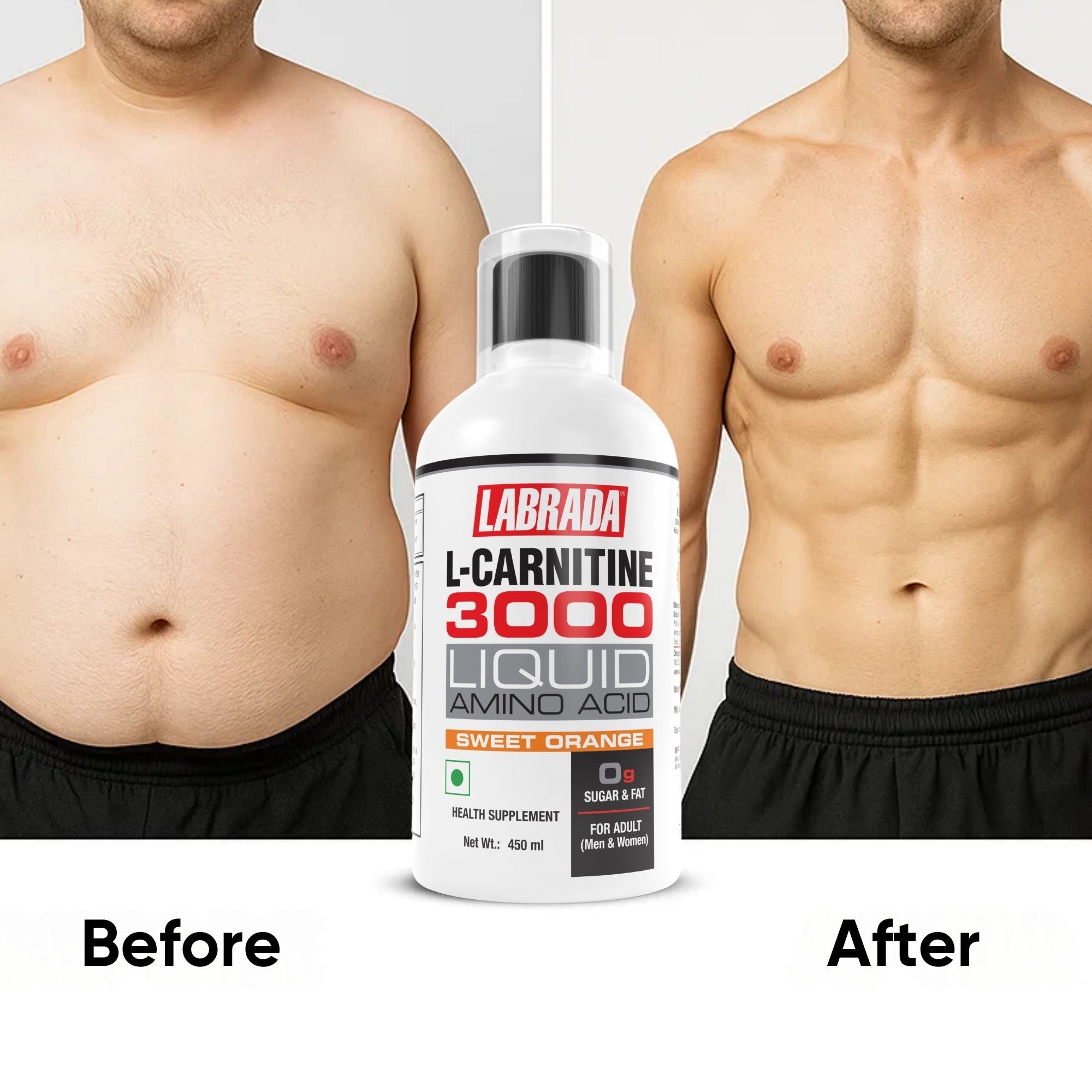
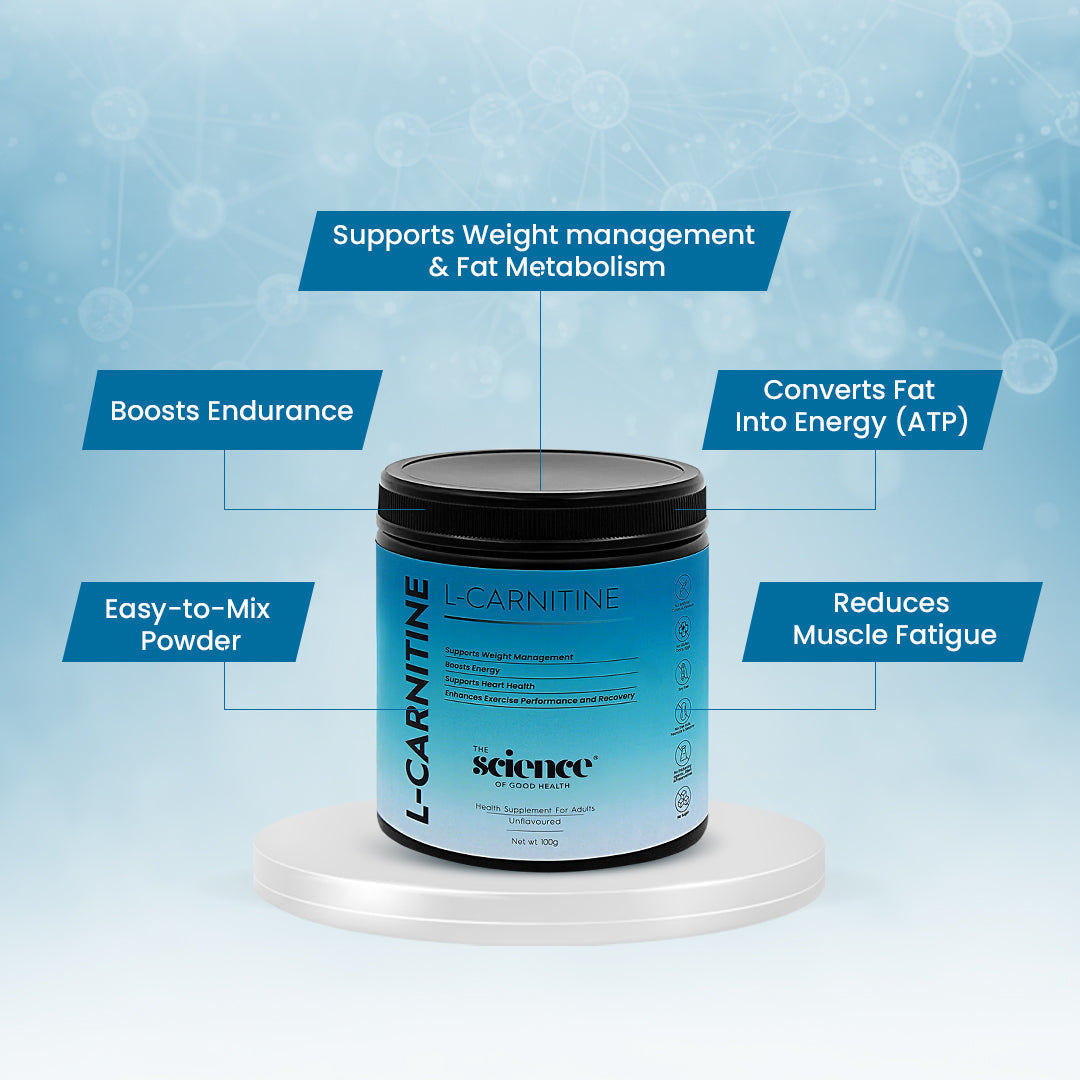
L-Carnitine plays a crucial role in the transportation of fatty acids into your cells to be converted into energy, thus aiding in fat metabolism
397 Febuxostat Febuxostat, a nonpurine xanthine oxidase inhibitor, effectively reduces serum uric acid levels without impeding the enzymes involved in pyrimidine and purine metabolism and synthesis

Nutritional Deficiencies: Critical nutrients for nerve and muscle function often become depleted during menopause: Magnesium Deficiency: Menopausal women are at higher risk due to decreased absorption Magnesium helps regulate nerve impulses and muscle contractions Low levels are correlate with increased muscle spasms Calcium Imbalance: Calcium is essential for normal muscle contraction and relaxation cycles Declining estrogen affects calcium absorption and retention Imbalances can lead to heightened nerve excitability and twitching Vitamin B Deficiency: B vitamins especially B1, B3, B6, and B12 are critical for nerve repair, myelin formation, and neurotransmitter production Deficiencies may cause nerve misfiring, tingling, numbness, and muscle twitching Absorption issues become more common with age and hormonal changes Vitamin D Deficiency: Vitamin D is required for proper calcium absorption and neuromuscular function Low levels are common during menopause and linked to muscle weakness and spasms 2
The following foods are rich in vitamin E ( Oils: soybean oil, sunflower oil, safflower oil, wheat germ oil, corn oil Nuts and seeds: sunflower seeds, almonds, hazelnuts, peanut butter, peanuts Fruits: kiwis, mangoes, tomatoes Vegetables: spinach, broccoli Given that fat-soluble vitamins are stored in fat, they can build up in your body fat, especially if youre taking in excessive amounts through diet or supplements ( For vitamin E, the Upper Limit (UL) or the amount that most people can consume daily through food and supplements without complications is 1,000 mg ( Summary Vitamin E is a fat-soluble antioxidant vitamin